Humanity's Book of Wrong Answers: The Early Joseon Period — Did I Study It Well?

It's a bit scattered, but let me just say it as it comes.
It's been over ten years since I last studied Korean history. The reason I'm only covering the early Joseon period is that this post would get way, way too long otherwise — even the early Joseon period alone already threatens to run long. Also, since I'm not a history major, I can't vouch for strict historical accuracy.
Anyway.
To begin, Joseon can broadly be divided into an early and a late period. "Divided" implies there's a dividing line, and that dividing line is the Imjin War (the Japanese invasions of Korea).
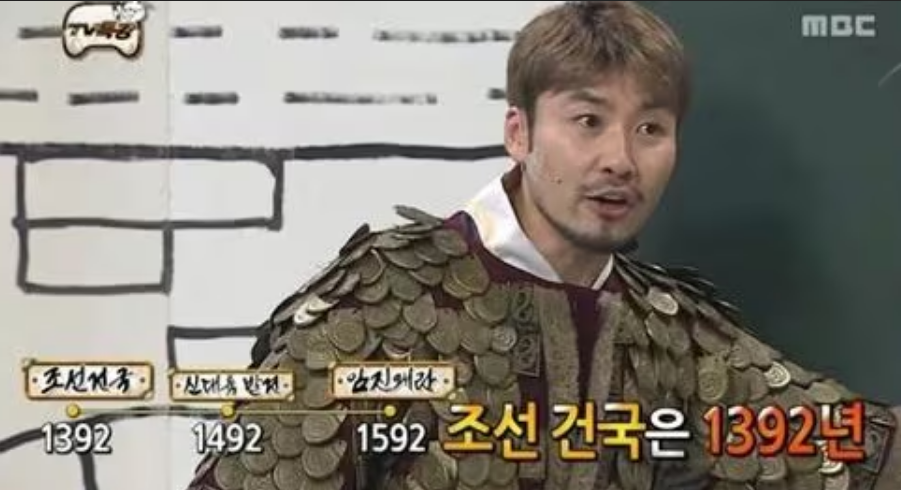
Most people remember the Imjin War by the year 1592.
But surprisingly, exactly 200 years before that, Joseon was founded —
in 1392.
I never took Jeon Han-gil's famous history lecture series, but people who did might remember it as "1392 → Seonggye-ri → Yi Seong-gye → the founding of Joseon."
The Joseon dynasty is usually remembered as lasting 500 years, so numerically you might expect the halfway point to fall around the 250-year mark. But it seems more fitting to divide it by a genuine turning-point "event" somewhere in the middle rather than by a round number. So using the Imjin War as the dividing line, roughly 200 years in, seems like a reasonable way to split it.
So now I want to trace the historical flow of the early Joseon period, starting from how Joseon was founded in 1392.
To do that, we have no choice but to look at the late Goryeo–early Joseon transition. In other words, we can't leave Goryeo out of the story.
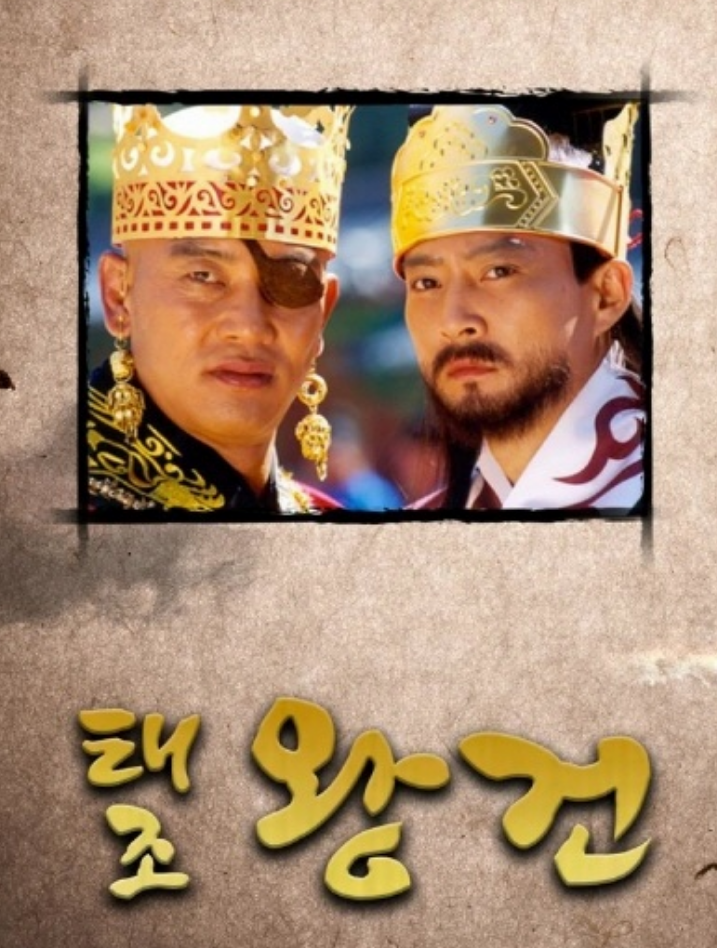
Goryeo was, first of all, founded by Taejo Wang Geon — a kingdom of the Wang clan. It was also a Buddhist kingdom. And when Wang Geon founded the country, he married into a great many local strongman families in order to strengthen royal authority.
This structure inevitably gave rise to a class of "aristocratic lineage families" (munbeol gwijok). Most of them were civil officials, and they passed power down through the eumseo system — a hereditary appointment privilege that let them hand government posts to their children.
Alongside the power of these civil officials, there was also intense contempt for military officers. There's even a famous incident in which Kim Don-jung — son of Kim Bu-sik, author of the Samguk Sagi (History of the Three Kingdoms) — looked down on the officer Jeong Jung-bu and burned off his beard with a candle flame.
Anecdotes like this alone show just how low the standing of military officers had sunk.
With military officers being humiliated and provoked again and again, the Military Officers' Coup of 1170 (Musin Jeongbyeon) eventually broke out.
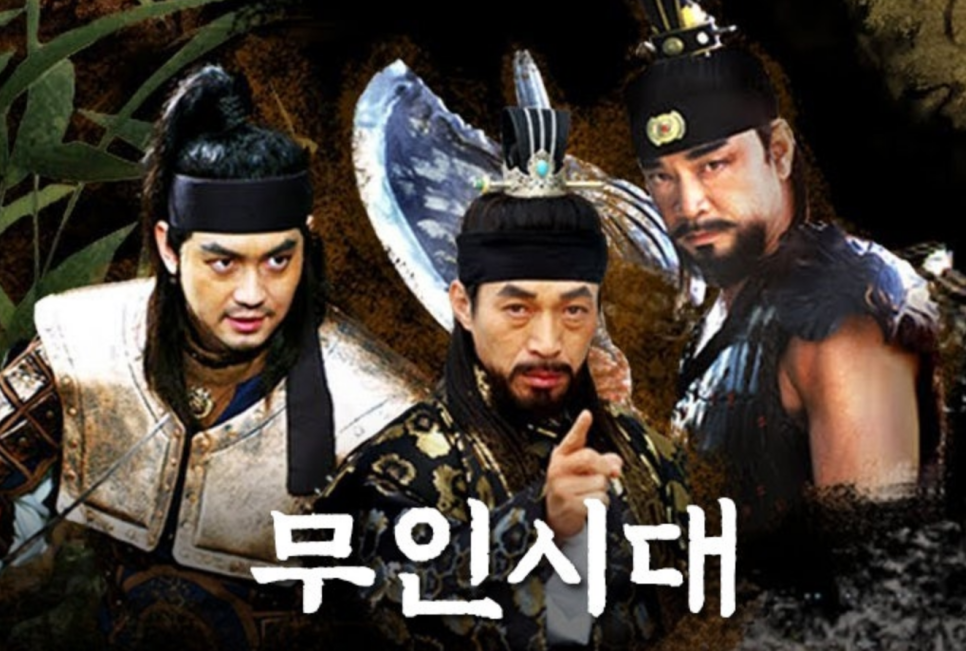
Around this same time, we also need to look at world history.
What was happening at this point was the emergence of Genghis Khan's Mongol Empire — said to be even more terrifying than the Black Death.
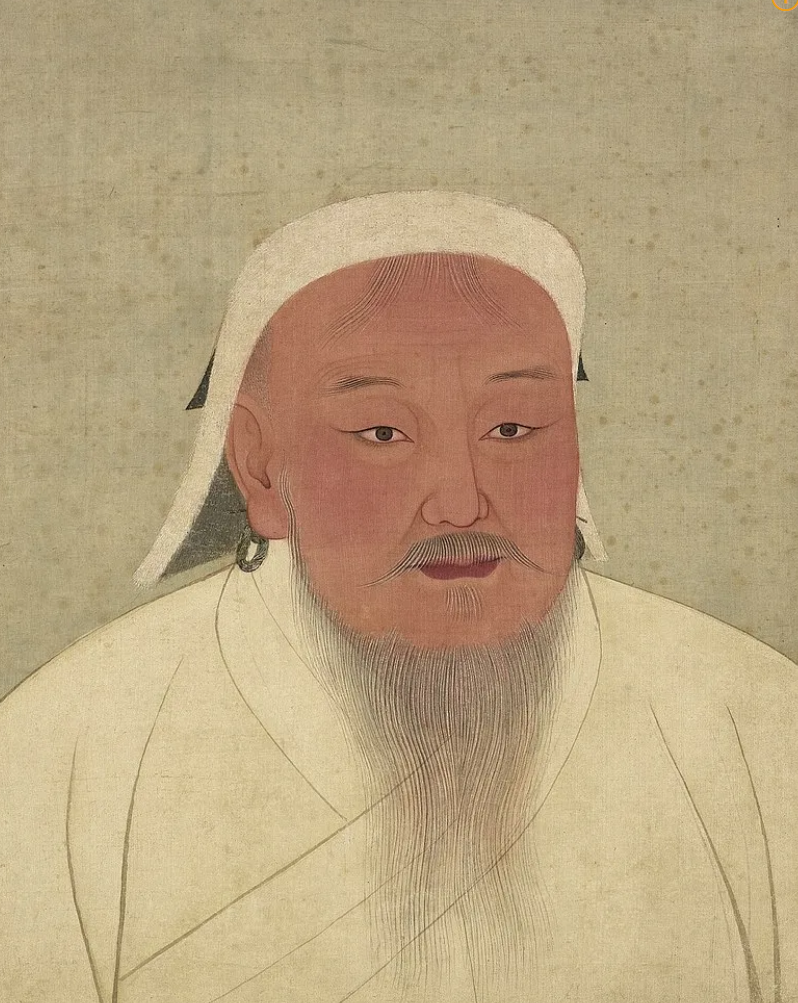
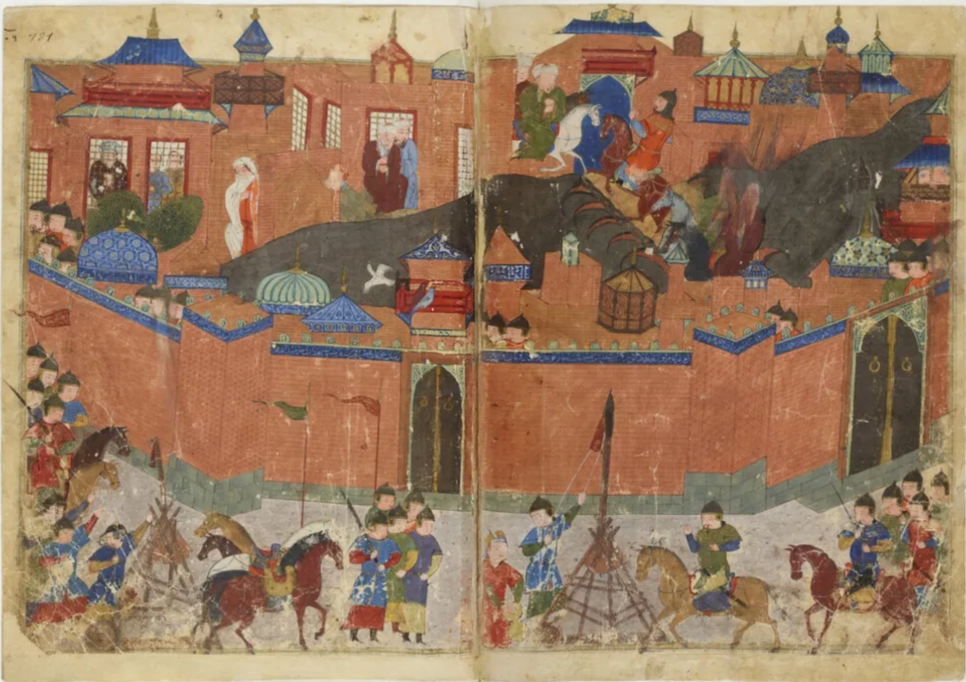
This Mongol Empire founded the Yuan dynasty on the Chinese mainland and began dominating much of the known world.
Goryeo, on the eastern periphery, was inevitably drawn into friction as the Yuan expanded.
This friction with the Yuan produced events like the carving of the Palman Daejanggyeong (the Tripitaka Koreana) and the resistance of the Sambyeolcho (these weren't really fights to win, but acts of resistance — hence the term "resistance").
Unlike other states the Yuan absorbed outright, Goryeo was not absorbed but retained as a tributary state.
Sadly, it's fair to say Goryeo entered a ruler-subject relationship with the Yuan. But compared with the fact that some kingdoms were fully absorbed by the Yuan, maybe you could say Goryeo, like a honey badger, wasn't such an easy target after all.
At any rate, the faction that rose to prominence during this period was the pro-Yuan gwonmun sejok — powerful aristocratic families. It wasn't that their staying close to the Yuan and gaining power was itself the problem; the problem was that they exploited the common people so severely.
But as always in history, heroes tend to appear in troubled times.
- King Gongmin is a notable king from this period, but honestly I don't know the details well, and since this is about Joseon, I'll skip him.
The rising new forces that emerged at this time were:
the Sinjin Sadaebu (the new Confucian scholar-officials) and a newly risen military faction.
The reason they're called "newly risen" military men is to distinguish them from the earlier military officers of the 1170 coup — they were a distinct, new force.
Naturally, when a country falls into chaos, foreign powers keep encroaching on it,
and the faction that grew strong by beating back Japanese pirates (waegu) and northern raiders was none other than Yi Seong-gye of the newly risen military group, the Gabyeolcho.
And when it comes to the Sinjin Sadaebu, the representative figures are
Jeong Mong-ju (pen name Poeun) and Jeong Do-jeon (pen name Sambong).
They all shared the same conviction:
"Something is wrong with Goryeo as it stands."
Around this time, the era itself was shifting.
This was the Yuan–Ming transition period —
the Yuan was declining, and the Ming was on the rise.
At this point the Yuan demanded that Goryeo attack the Ming. Naturally, these newly risen forces refused.
Even in the military, a corporal with real current pull (the Ming) is scarier than a senior sergeant about to be discharged next week (the Yuan).
At this point, General Choe Yeong of the pro-Yuan gwonmun sejok ordered an attack on the Ming.
"Regard gold as if it were mere stone" — the famous motto of General Choe Yeong, still cited today (even set to song) as a symbol of incorruptibility. That's the general we're talking about.
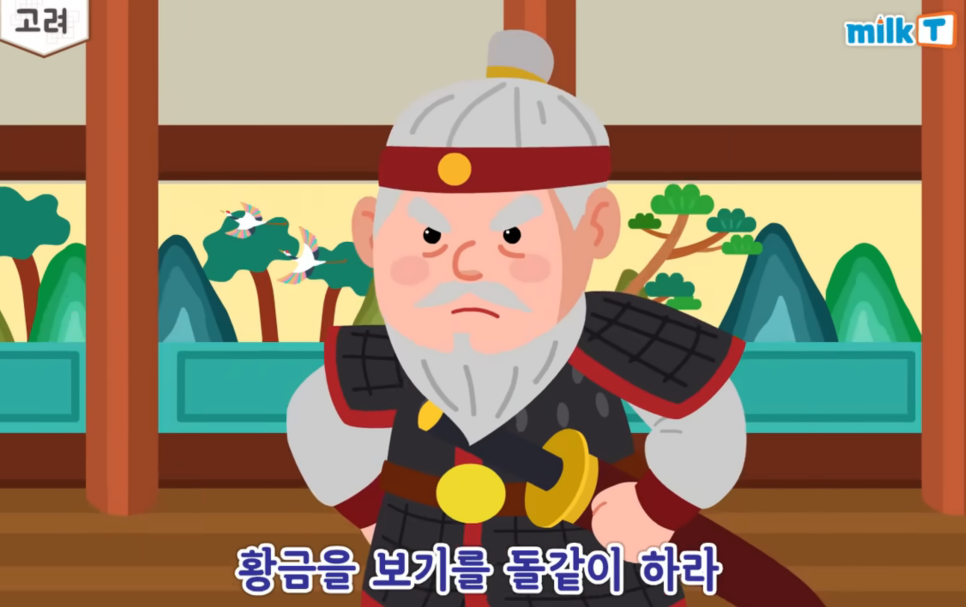
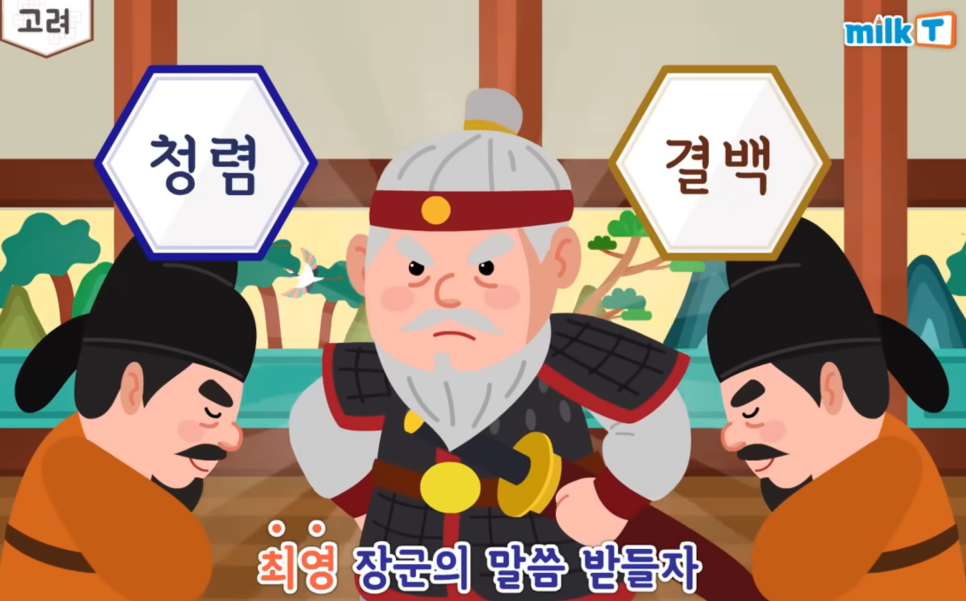
For reference, General Choe Yeong belonged to the gwonmun sejok, but
in today's terms, he'd be the "good bully" type.
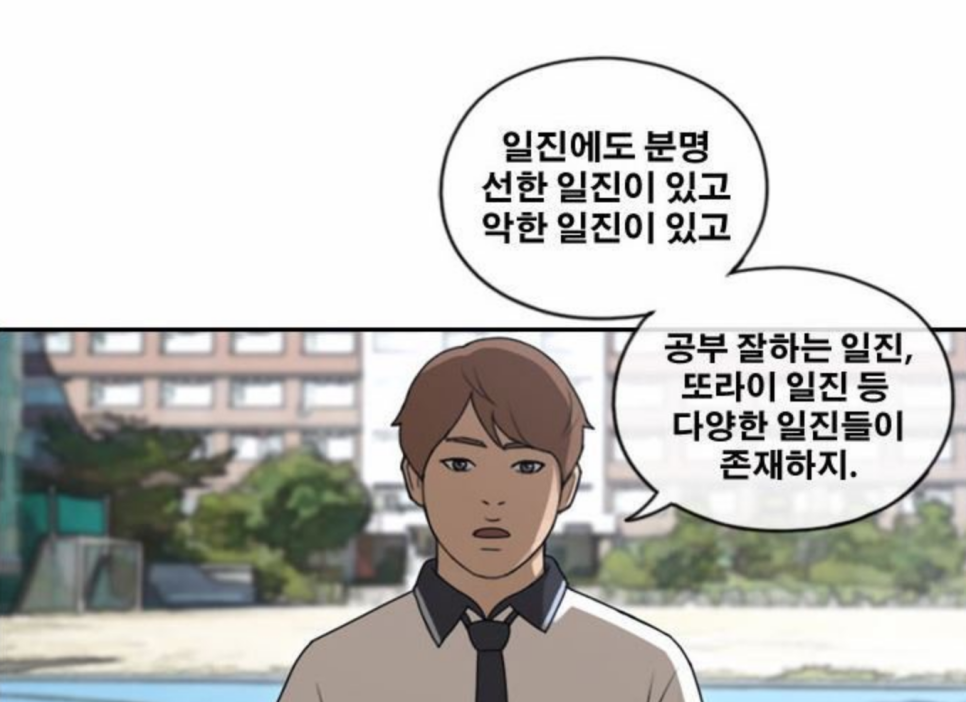
A tough guy, sure, but the good kind of tough guy — that sort of vibe.
Anyway, Yi Seong-gye had no choice but to lead troops north to attack the Ming.
Yi Seong-gye argued for withdrawing the order using his "Four Reasons Against" (Sa Bulga Ron).
But General Choe Yeong, every bit as unyielding as his reputation suggested, demanded the march continue to the end.
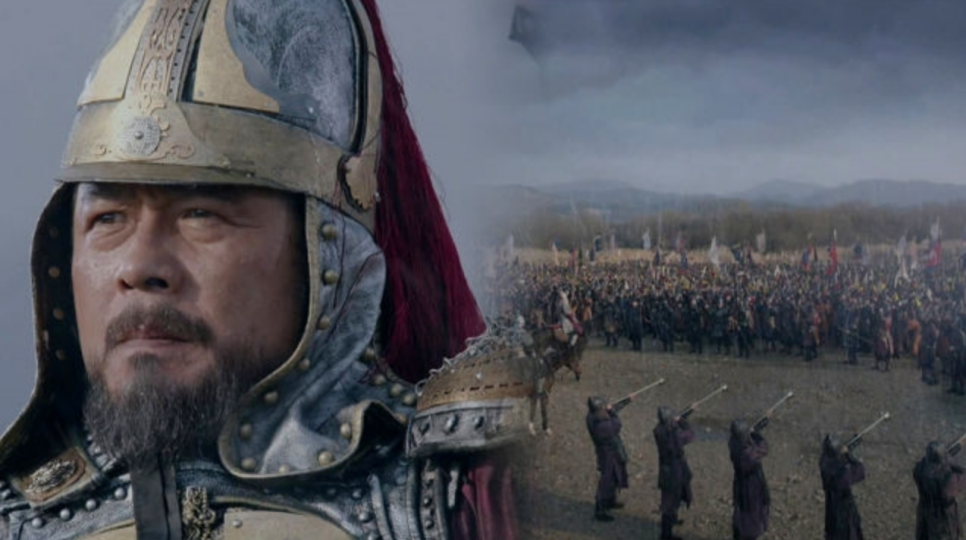
Concluding it was simply untenable, Yi Seong-gye ultimately turned his army back at Wihwa Island — the famous "Withdrawal from Wihwa Island."
This was an enormous turning point,
because it meant that Yi Seong-gye now commanded a massive army that had been mobilized to strike the Ming.
And if he turned the point of those spears and swords not toward the Ming but toward the Goryeo court itself, who could possibly stop him?
Through the Withdrawal from Wihwa Island, Yi Seong-gye ultimately seized real power. That said, this didn't immediately mean the founding of Joseon.
At first, the newly risen forces all agreed that "Goryeo as it stands has no future," but opinions split over what "method" to use going forward.
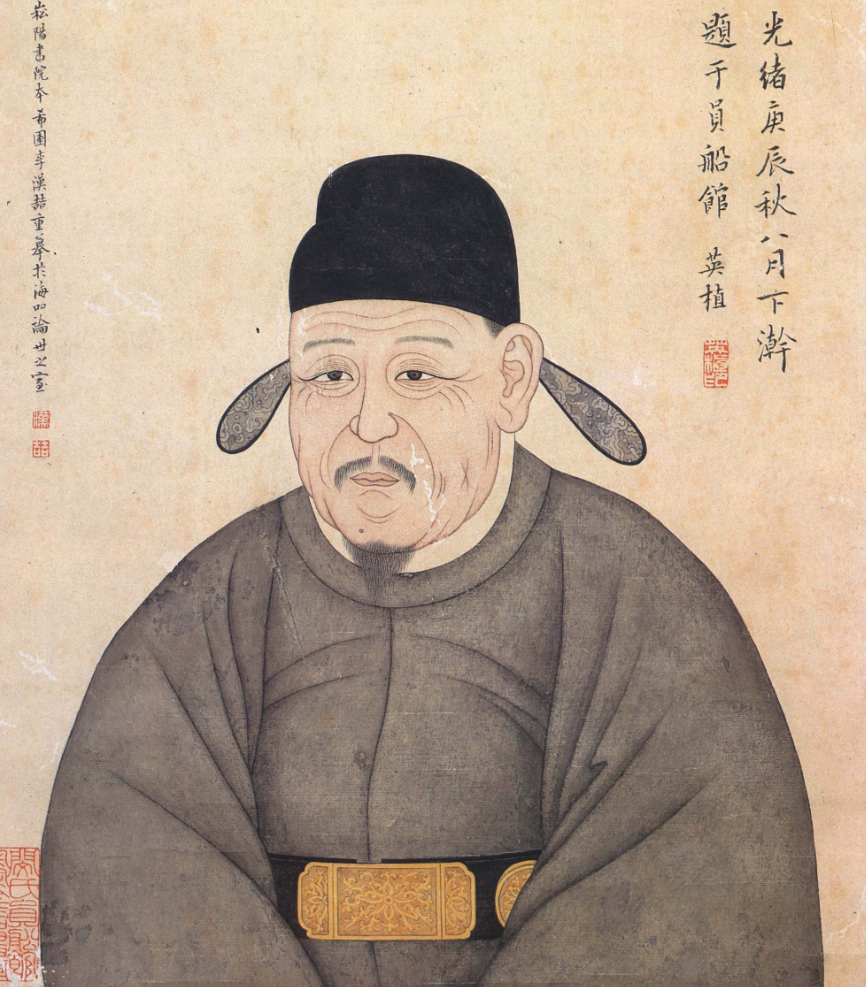
First, there was Jeong Mong-ju (Poeun):
"If we reform the system, we can build a new, livable world. Is it really necessary to change dynasties?" (→ the moderate faction)
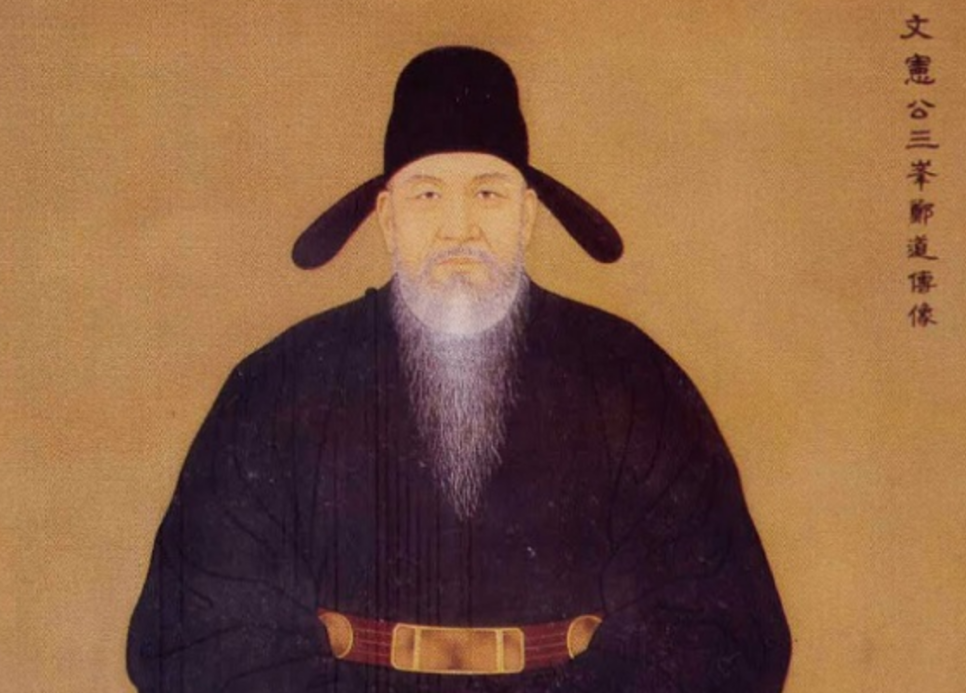
Then there was Jeong Do-jeon (Sambong):
"New wine must go into new wineskins. The existing Goryeo system has reached its limits. We must build the system again from the ground up. Moreover, Goryeo is a Buddhist nation — we must build a Confucian one. A change of dynasty!" (→ the radical faction)
Even within the newly risen forces, camps split apart (opinions diverged) and conflict followed.
For reference, at this time Yi Seong-gye's son Yi Bang-won also played a major role.
In particular, he played an enormous role in the founding of Joseon.
The most famous example is the killing of Jeong Mong-ju at Seonjukgyo Bridge. Jeong Mong-ju, as the leading figure of the moderate faction, opposed the founding of Joseon.
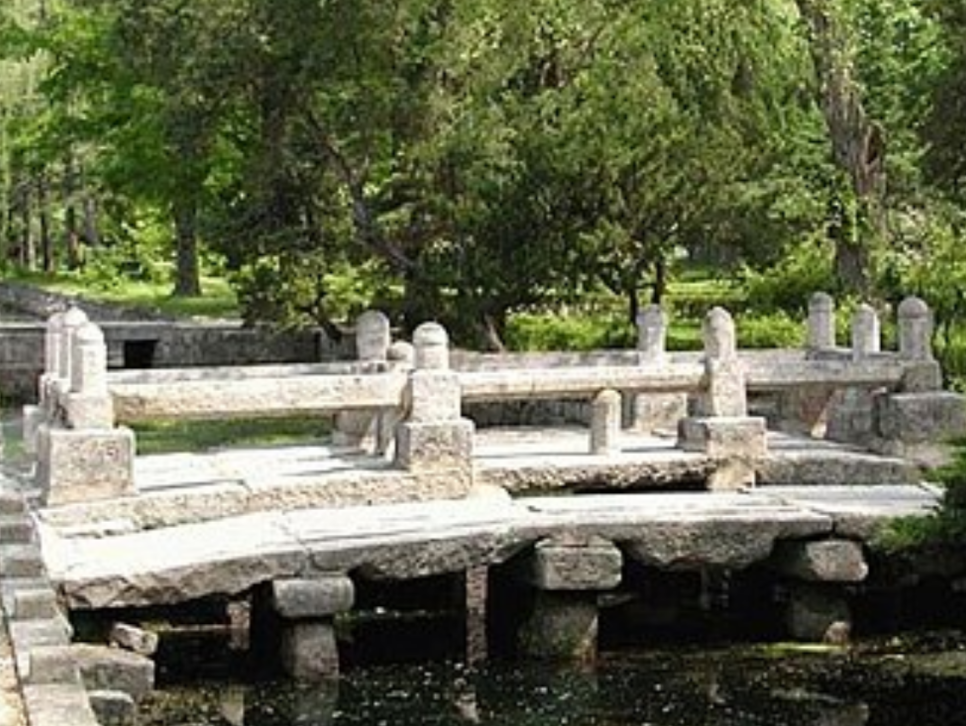
At Seonjukgyo, Yi Bang-won meets Jeong Mong-ju and sings "Hayeoga" ("What Does It Matter"):
"What does it matter this way or that — [...] so let's just build Joseon and make it work together."
In reply, Jeong Mong-ju sings "Danshimga" ("Song of the Loyal Heart"):
"Though this body die, and die a hundred times more, [...] my single-hearted loyalty toward my lord will never fade."
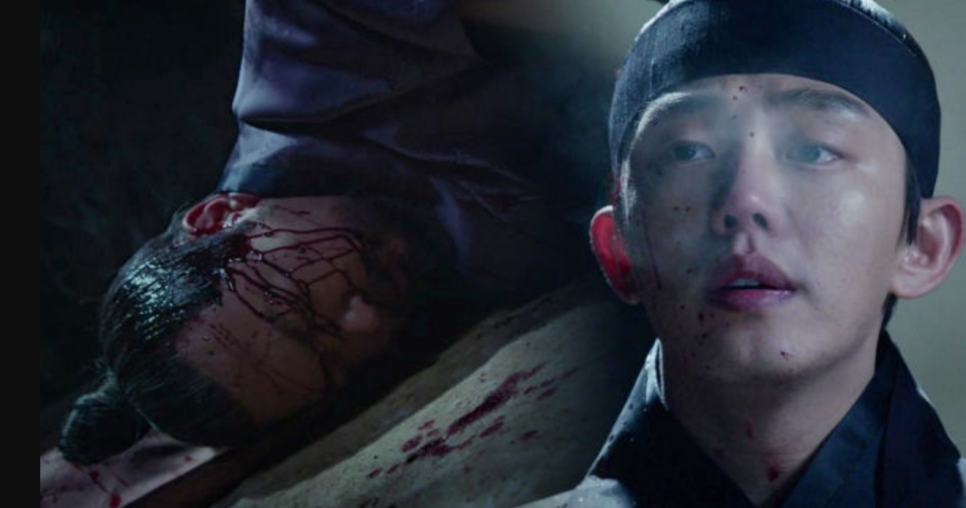
And then Yi Bang-won has Jeong Mong-ju killed.
(Strictly speaking, it was Yi Bang-won's confidant Jo Yeong-gyu who beat him to death with an iron mace. And there's also a theory that Seonjukgyo is just a symbolic setting, and the killing may not have actually happened there.)
But since I'm not writing a rigorous history text here — I'm working purely off more-than-a-decade-old memories and tracing the general flow — I'll ask to be excused from such factual slip-ups. 🤣
And so now Joseon is founded,
and this is the moment I mentioned at the very start: 1392.
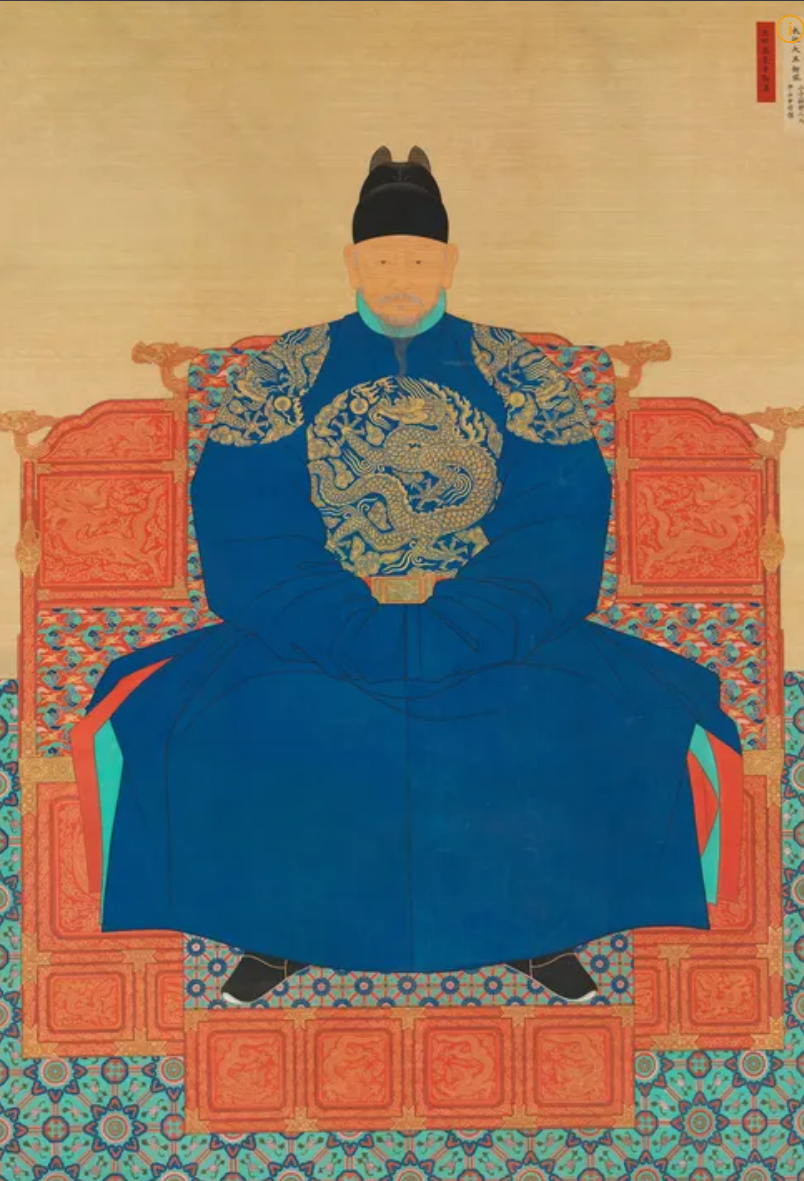
King Taejo, Yi Seong-gye, becomes king — but founding a country doesn't automatically mean strong royal authority. Also, to establish legitimacy for the system, the crown prince should by rights go to the eldest legitimate son. Yet out of nowhere, the eighth son, Yi Bang-seok, is named crown prince instead.
Regardless of whether Yi Bang-won was later a tyrant or not, from his own point of view, this was an infuriating turn of events.
In modern terms, it's like busting your back on a project day and night to make it succeed, only to be told "good job," while someone else gets the promotion.
The First Strife of Princes breaks out.
Yi Bang-seok is ousted, and Taejo's second son, Yi Bang-gwa, is enthroned as King Jeongjong. By that logic, the third king ought to be Jeongjong's own son.
So how did Yi Bang-won end up becoming king?
Jeongjong abdicates the throne to Taejong (Yi Bang-won) —
but formally, Yi Bang-won is first adopted as Yi Bang-gwa's son.
And so Taejong becomes the third king of Joseon.
Sometimes a younger brother is simply the better fighter than the elder. The elder brother, no doubt, found such a younger brother frightening.
Having become Joseon's third king, Taejong must have felt the need to set this chaotic young Joseon in order.
The signature policy he implemented for this was the Six Ministries Direct Reporting System (Yukjo Jikgyeje).
Previously, the king only dealt directly with the State Council (this was the "State Council Deliberative System," Uijeongbu Seosaje).
The State Council acted as the intermediary, dealing with the Six Ministries on the king's behalf.
But this is essentially a CEO who only ever meets with his executives —
which inevitably means those executives end up with enormous power.
Since power is ultimately a zero-sum game, the stronger "ministerial authority" grows, the weaker "royal authority" becomes in proportion.
So Taejong implemented the Six Ministries Direct Reporting System to strengthen royal authority.
It was an innovation in which the department heads, who used to report only to the executives, now reported directly to the CEO.
Beyond this, he also eliminated every seed that might threaten royal authority.
In this way, it's fair to say Joseon achieved stability under Taejong's reign.
Then comes the next king, Sejong.
At last, on the soil Taejong had prepared, Sejong made Joseon truly bloom.
There's simply too much to say about King Sejong's achievements,
but it might be summed up as: "he loved the common people immensely."
Because the king loved his people, he is said to have governed Joseon according to the philosophy that "for the people to eat well and live well, it is the officials who must suffer for it."
Of course, that "suffering" wasn't the physical toil of plowing fields or hauling loads.
He was an absolutely brutal workaholic — for instance, State Councilor Hwang Hui was never allowed to retire even in old age, white-haired as he was. Every one of his retirement requests was rejected.
Behind King Sejong's countless achievements,
there's no denying that officials were worked to the bone.
That's not to say this was a bad thing, though.
It's the same sentiment as when people joke that Samsung or some other company must be "torturing aliens" every time a masterpiece product comes out — that's the kind of grinding-it-out feeling I mean.
But here's where a problem arises.
The crown prince, too, worked himself to exhaustion.
This crown prince was none other than King Munjong, Joseon's fourth king.
Having worked himself far too hard,
he dies only two years after ascending the throne.
In other words, he dies without ever having secured enough time to properly transfer royal authority to his own heir.
At this point, Joseon's fifth king, Danjong, is merely twelve years old.
Before his death, Munjong summons his closest ministers —
Kim Jong-seo, Park Paeng-nyeon, Seong Sam-mun, Sin Suk-ju (who would later famously switch sides to Sejo, unlike Seong Sam-mun — Koreans still invoke his name as a byword for betrayal), and others —
entrusts young Danjong to them, and passes away.
These men who received the king's final request
were the "gomyeong sinha" — ministers royally entrusted with the young king's care.
It wasn't merely a request, either. Since Danjong's royal authority was far too weak, they were also given real power to support him.
The most notable instrument of this was the "Hwangpyo Jeongsa" (yellow-marker appointment system).
Control over personnel appointments is, in itself, power.
(Much as, later, the post of Ijo Jeollang would spark the very beginning of factional politics under King Seonjo.)
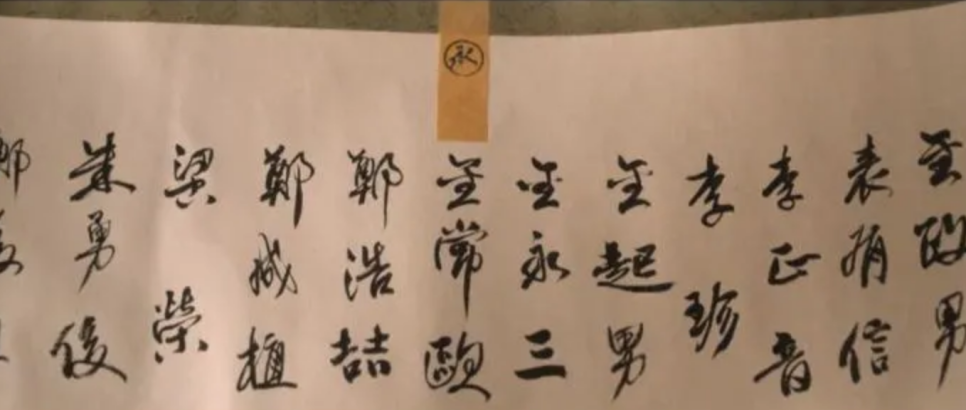
While this was a good means of building up forces to protect Danjong, it ironically also meant that powerful ministers — Kim Jong-seo chief among them — grew even stronger.
What if these men had a change of heart?
From Grand Prince Suyang's point of view — the man who would later become King Sejo — this was infuriating.
The king was young and had no real authority,
and while Kim Jong-seo claimed to be protecting the king,
what if he ended up devouring Joseon for his own ambitions instead?
That fear must have weighed on Suyang's mind —
at least, that was the justification.
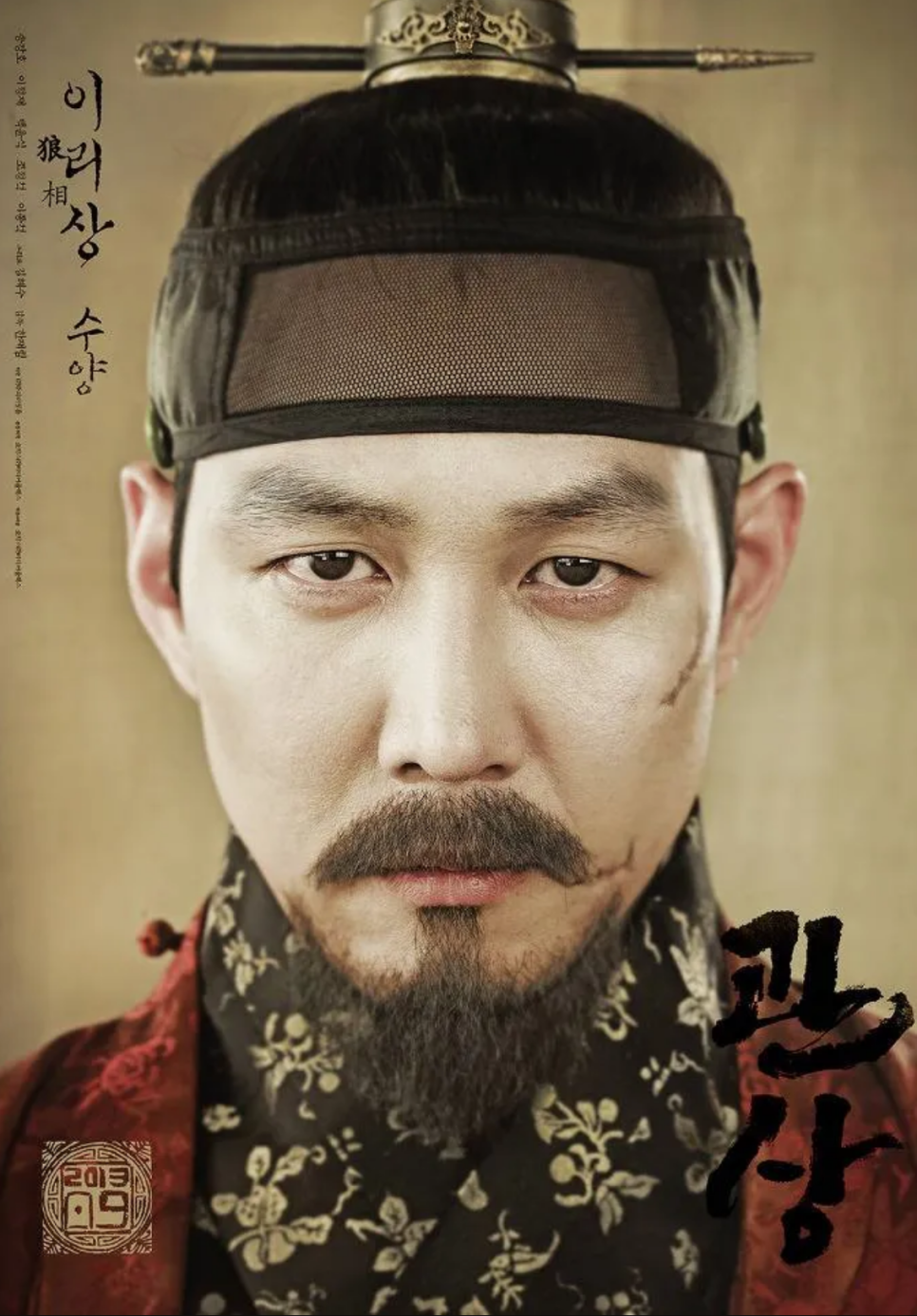
This sentiment is captured well in the film The Face Reader:
"Is this kingdom of Joseon the Yi clan's country, or the Kim clan's?"
And so, through the Gyeyu Coup, Sejo eliminates Kim Jong-seo's faction and ascends the throne.
What's darkly funny about the Gyeyu Coup is that Sejo himself was the one staging the coup, yet the official record describes it as "suppressing a rebellion that occurred in the gyeyu year."
Having seized the throne through a coup, how weak must his legitimacy have been?
Even after deposing Danjong,
two separate movements arose to restore him to the throne.
From Sejo's perspective, he couldn't afford to let Danjong live.
And so, in the end, he had Danjong killed.
This is depicted in the drama The Man Who Lives with the King.
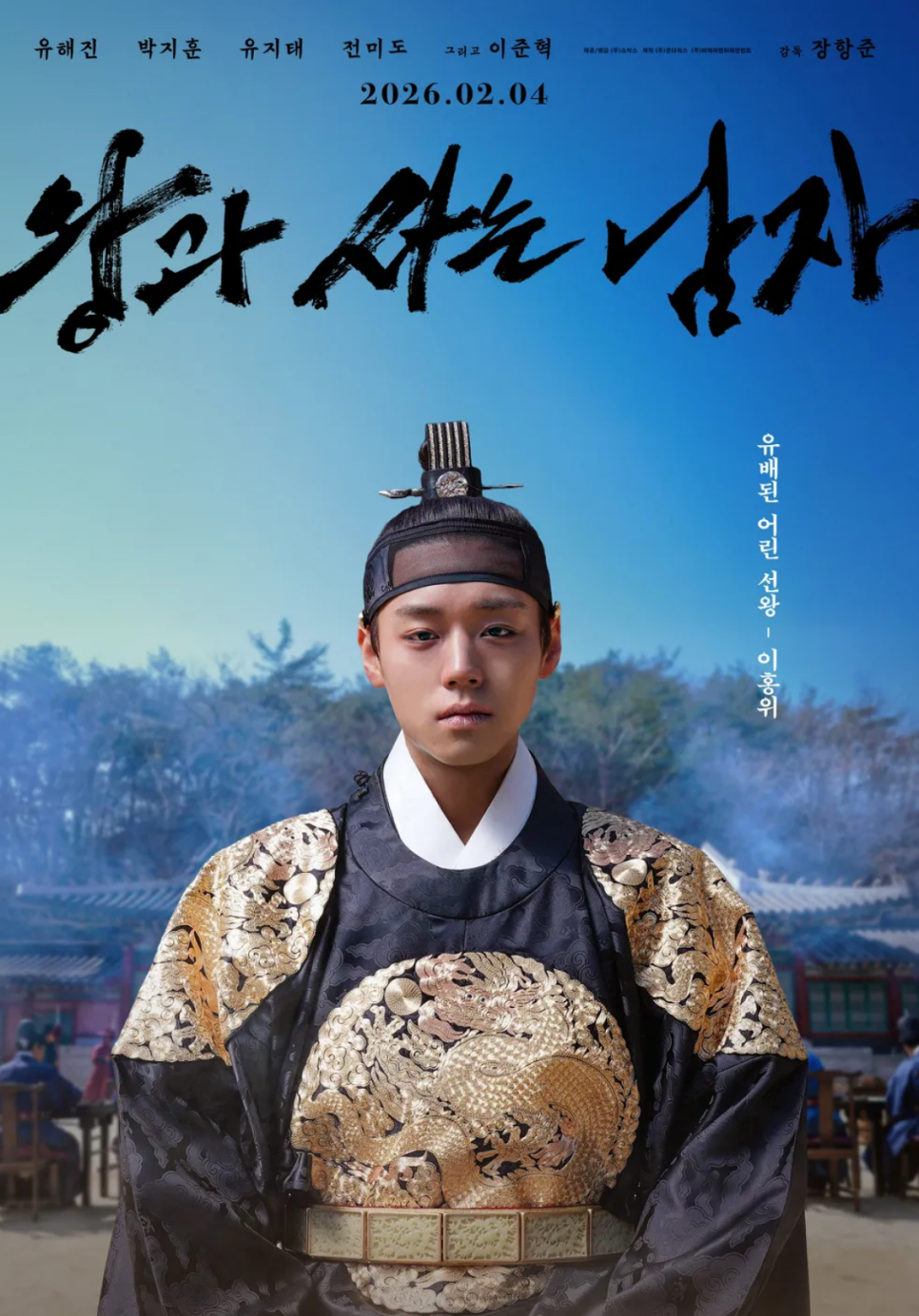
And because of this, Sejo's tomb, Gwangneung,
has been on the receiving end of plenty of negative reviews online.
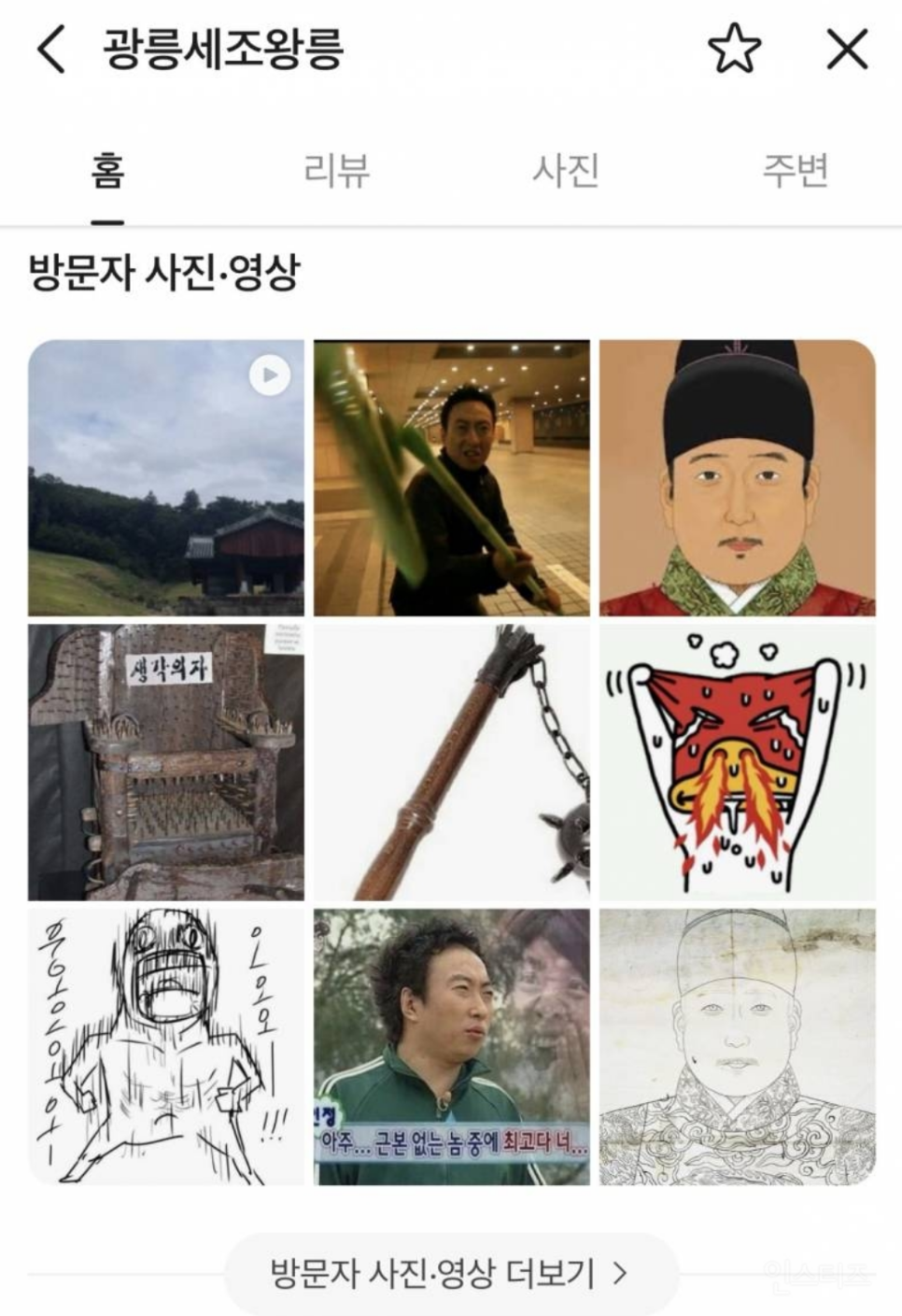

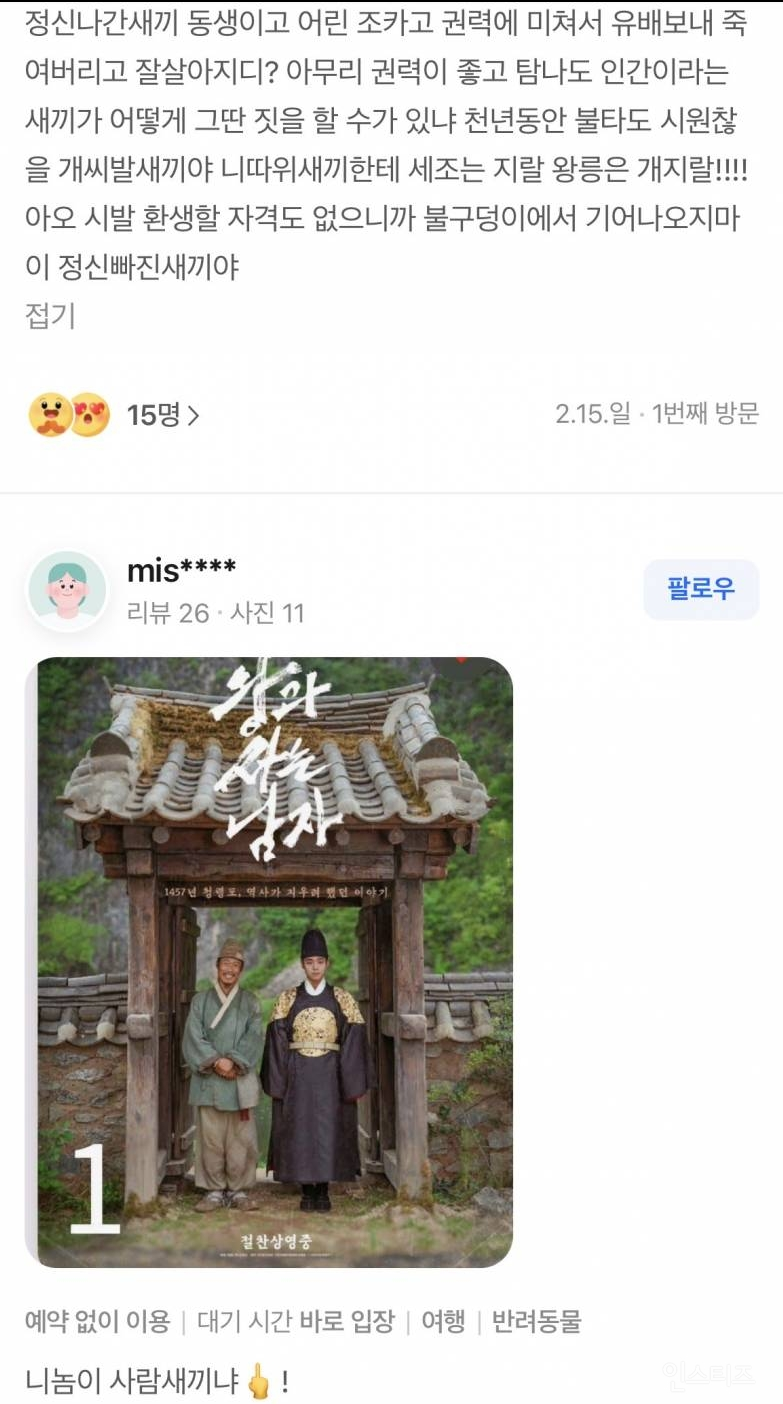
At this point, the king had a chief strategist: Han Myeong-hoe.
Han Myeong-hoe was the kingmaker credited with putting Sejo on the throne.
With him at the forefront, the "Hungu faction" — the meritorious elite — seized power.
The age of the Hungu faction had arrived.
The Hungu faction occupying the center of power meant
that opportunities for anyone outside that faction to advance to the central government became scarce.
Scholars who couldn't rise to the center and instead ended up in the countryside
came to be called the "Sarim" — the rural literati faction.
What's notable about the Sarim is
that they built a system called the "hyangyak" (village compact).
I think this point is enormously important.
In effect, they set up private academies out in the countryside.
Through this independent system, scholars who eventually made their way into the central government began to appear, little by little.
Even so, it was still, for the time being, a world dominated by the Hungu faction.
Then, under King Yeonsangun, something strange happened.
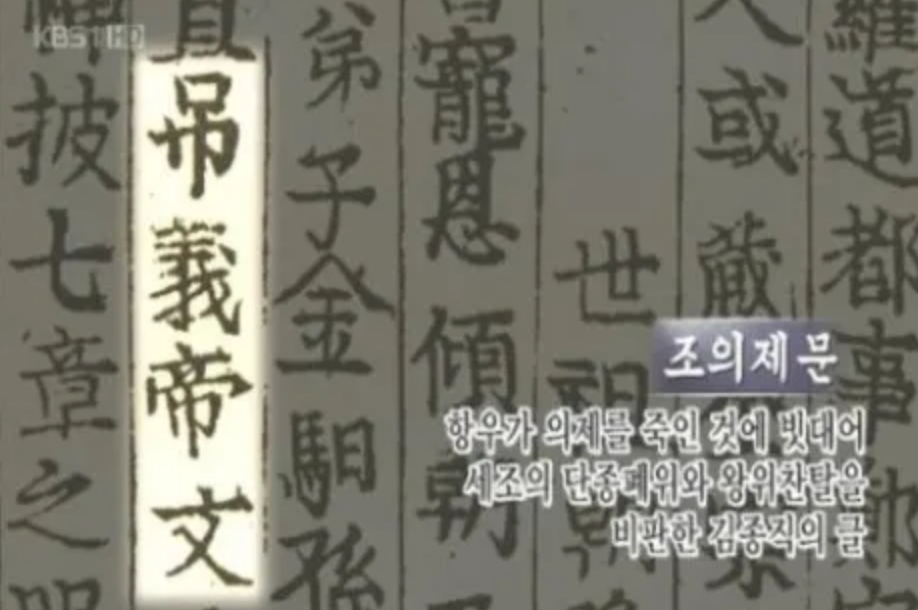
Kim Jong-jik's essay "Lament for Uije" (Jouijemun) became the flashpoint.
On its surface, it was an elegy written about Xiang Yu's murder of Emperor Uije of Chu, from the Chronicles of the Chu-Han Contention.
But in substance, it was really a criticism of "Sejo, who murdered Danjong."
Such criticism might well be considered legitimate today,
but this was still a monarchy, and from Yeonsangun's point of view, wasn't Sejo his own great-grandfather?
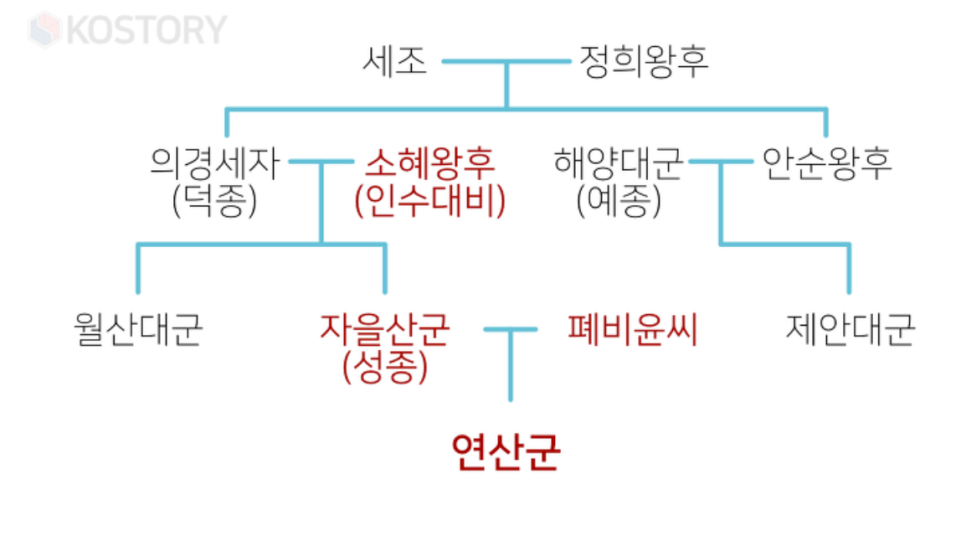
Setting aside whether you're king or not,
if someone tells you your grandfather was a bad man,
you're bound to get angry.
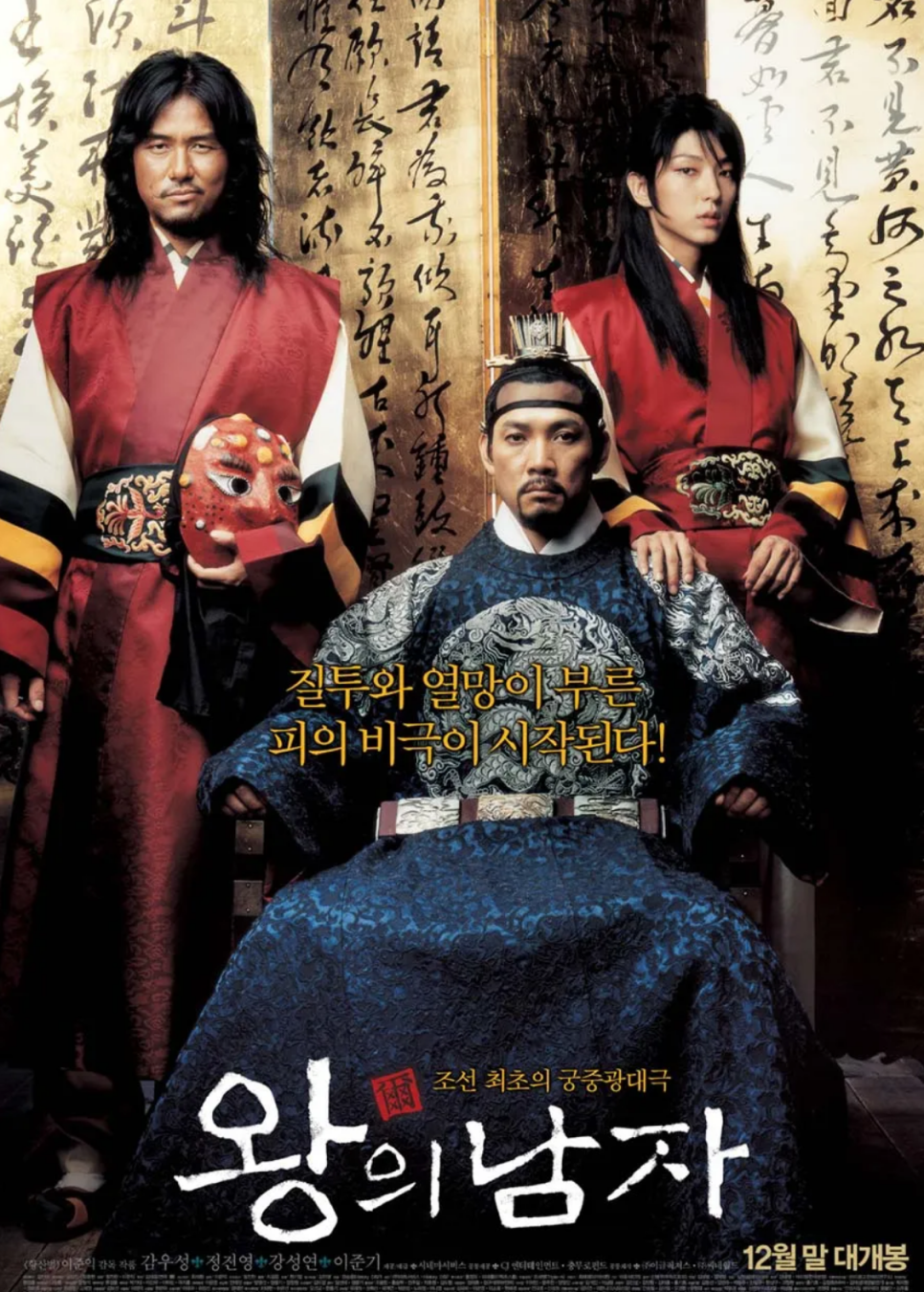
And who was Yeonsangun? A king who was frighteningly good at fighting back.
So would submitting a piece like "Lament for Uije" make him angry, or not?
Thoroughly enraged, Yeonsangun declared "It's a muo year!" and unleashed a bloody purge in the muo year.
Among those purged at this time was a certain proportion of Sarim members. Hence this came to be called the "Muo Purge."
Then, in the gapja year, something tied to the Deposed Queen Yun was triggered,
and Yeonsangun carried out another bloody purge — again, one that included a certain proportion of Sarim members.
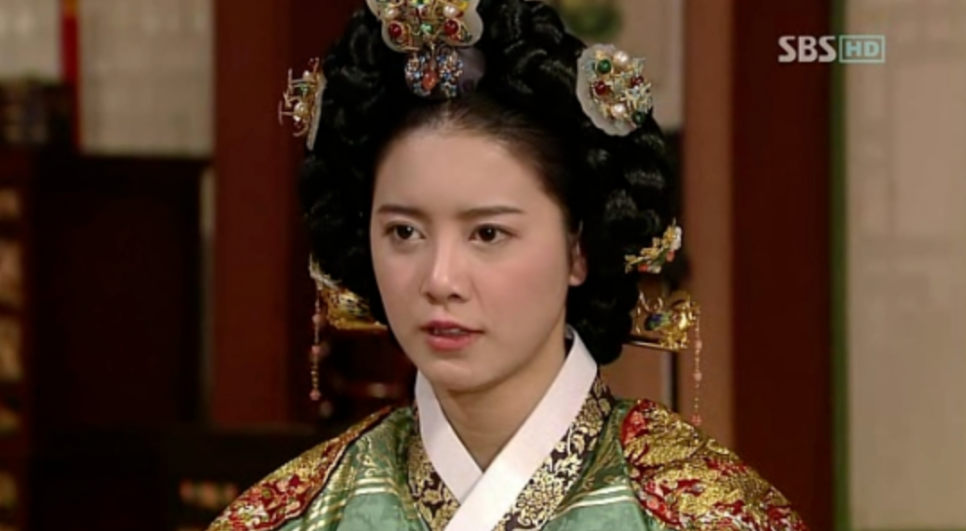
Deposed Queen Yun was Yeonsangun's mother.
During a marital dispute with King Seongjong, she accidentally scratched his face with her fingernails.
Such an incident would be no big deal today,
but back then, it was the king's face —
meaning, in effect, an act of high treason against the throne itself.
As a result, she was deposed as queen and ultimately died unjustly.
Among those implicated in this affair was Han Myeong-hoe (yes, the same kingmaker from Sejo's era).
Yeonsangun could not forgive those responsible for his mother's death and had them all hunted down.
But since the key figure, Han Myeong-hoe, was already dead,
his fury remained unsatisfied, so he had the grave dug up, the corpse exhumed, and the head cut off — a punishment known as "posthumous decapitation" (bugwan chamsi).
This episode, born of a mother's unjust death in the gapja year, became known as the "Gapja Purge."
But here's where you should start feeling that the word "purge" (sahwa) is a little odd.
The Sarim only happened to make up a small fraction of the collateral damage. Countless people died in what were essentially disasters, yet rather than calling them tragedies, the record singles out one "particular faction" as having "suffered a calamity" — and that framing ought to strike you as strange.
It's worth thinking about why the term "sahwa" (literally, "scholars meeting calamity") was specifically chosen.
History is written by the victors, and by their descendants.
There were already very few Sarim members who had made it into the central government, so even a small number of casualties among them represented a huge loss — from the Sarim's own point of view, it would be remembered as a severe blow.
The very fact that this was recorded as a "sahwa" (scholars suffering calamity) is itself a sign that the Sarim faction would eventually rise to power —
history is essentially "spoiling its own ending" through how it chose to record events.
Next, was this under King Jungjong?

One day, a leaf was found with ant-eaten marks on it,
and wouldn't you know it, the marks read "Ju-cho-wi-wang" (走肖爲王)?
"How bizarre" ("gimyo") — hence, the Gimyo Purge.
This was a case of the Hungu faction feeling the need to suppress the Sarim faction, which kept advancing into the central government.
"Ju-cho-wi-wang" — combine the characters ju (走) and cho (肖) and you get jo (趙).
"A person surnamed Jo will become king" → implying Jo Gwang-jo was plotting treason.
This was engineered by the Hungu faction to target the Sarim faction directly — and in that sense it differs from the previous two purges.
There was also the Eulsa Purge after that, but unfortunately I don't remember it well and it doesn't stick in my memory. Whenever a question about the "Four Great Purges" comes up,
I only know that the remaining one, aside from these three, deals with a purge I can't name — enough to answer multiple-choice questions, but not enough to explain it at all, which I find a bit embarrassing.
In this way, the Sarim faction suffered calamity four times (there were likely more, but I'm focusing on the major events), yet in the end they became the ones who won out.
How?
Precisely thanks to that "hyangyak" system I mentioned earlier.
The Hungu faction was like stagnant water, while the Sarim faction was like a stream that kept flowing.
Through the hyangyak, the Sarim kept sending scholars into the central government,
and eventually succeeded in a full changeover of personnel, so that by King Seonjo's reign, the Sarim faction had risen to dominance.
And with that also comes the beginning of factional politics (dangjaeng).
"Splitting into the Easterners and the Westerners..."
But from here on I don't know the details well either, so I'll need to study more and discuss it another time.
One more thing I remember about learning "factional politics" —
I remember being taught as if the political battlefield only really began from this point on.
And I recall the teacher being quite critical of this whole period.
"Splitting into Easterners and Westerners, then Northerners and Southerners,
then Noron and Soron... constant factional infighting... how is this any different from today's politics..." — that kind of framing.
Back then I just absorbed it unconditionally, but looking back now, it actually seems like a fairly pointless line of analysis.
Just within what I've described here, how many different factions have already split off?
This isn't a uniquely "Korean" trait — it's a universal trait of humanity.
Wherever finite resources must be divided, competition inevitably arises,
and the existing establishment clashes with newly risen forces who refuse to accept the status quo, over and over.
This isn't a characteristic of "Joseon" — it's a universal characteristic of humankind,
and Hegel's dialectical logic of thesis-antithesis-synthesis already laid this out.
So I do feel a bit of regret over the rote, narrowly interpretive style of education I received on this topic back then.
(Then again, why should I be the one to feel regret? I was just remembering what my teacher taught me... ha.)
Lastly, one more note: "dangjaeng" (붕당) uses the same character "bung" (朋) as in the phrase bung-u-yu-sin ("friends should be trustworthy with one another").
It's called a "bungdang" because people who shared the same convictions banded together into a faction.
In today's terms, this is essentially a "party" — a political party.
But the reason it wasn't called a "jeongdang" (political party) at the time
is that, under a monarchy, the very concept of a "party" in that modern sense doesn't quite apply.
There is always exactly one fixed king, and groups of people who share the same convictions band together to form factions that make up the political landscape — that's the idea,
and this is generally considered the point at which full-fledged factional politics began.
And with that, the early Joseon period can be brought to a close.
That concludes my personal look back at the flow of the early Joseon period.
As I mentioned at the outset, since this is a recollection based purely on more-than-a-decade-old memories from my school days, there are surely no shortage of large and small errors by the standards of a rigorous historian. Still, thanks to various media, I seem to have been able to recall these old memories fairly vividly.
So why did I bother to dig up these old memories at all?
That, too, will end up being a long answer.
Honestly, when people ask "why should we study Korean history," the go-to answer is usually "because it's our own history, of course we should know it" — but I've always found that kind of answer vague.
I think there are two real reasons to study history.
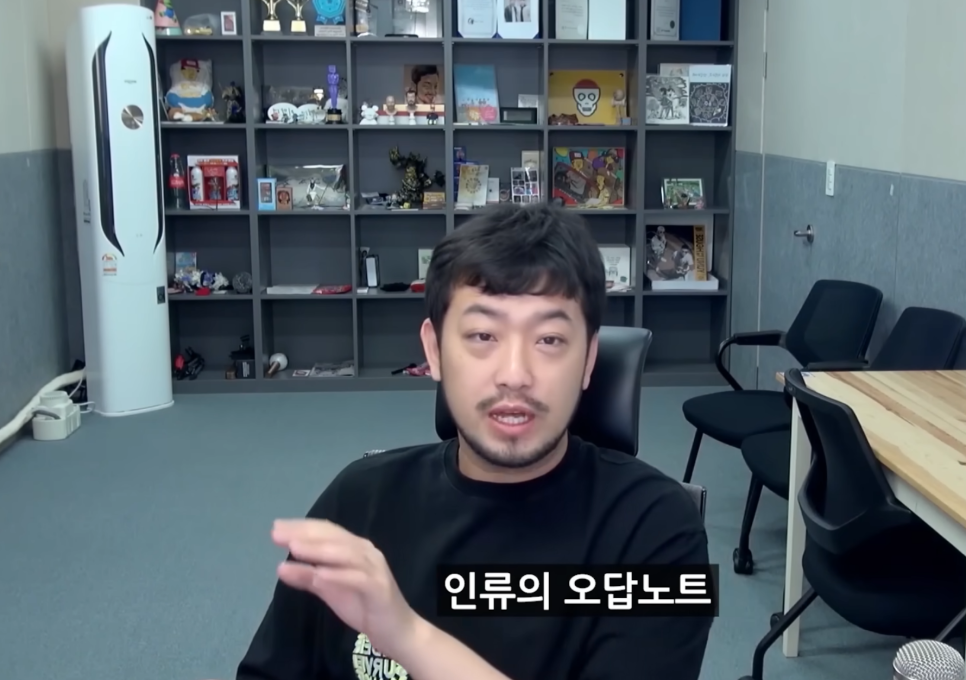
- First, history is, simply put, "humanity's book of wrong answers." Every human being lives only a finite span of time, so the opportunity to gain a wide variety of experiences is inherently scarce. Studying history lets us access a much richer range of experience, which in turn lets us make more effective decisions when we apply those lessons to our own lives.
- Second, I think there's also the matter of fostering a sense of national identity. History serves as the spiritual pillar and social compact that lets the community we call "South Korea" come together as one, sharing the common root of being the "Korean people" (han-minjok).
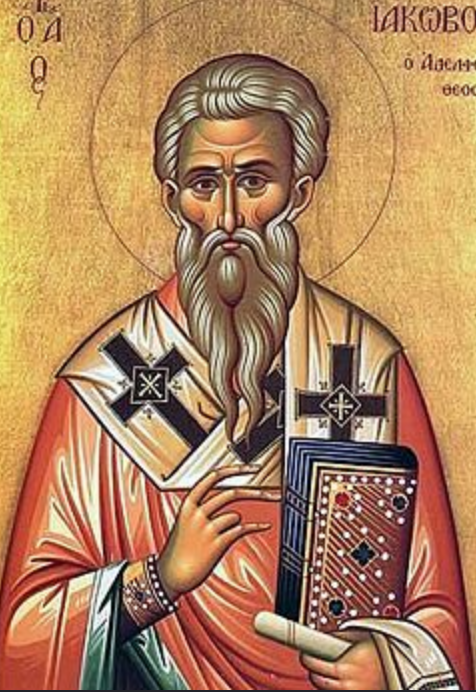
This is similar to religion — I think "history" can function as something like scripture for the Korean people. Just as someone ignorant of scripture is shunned within a religious community, I think the way someone unfamiliar with basic historical knowledge gets excluded from a shared social sense of belonging is a kind of "collective defense mechanism."
Especially during an era of oppression like the Japanese colonial period, when the country's very identity was being erased, it was essential that we not lose our sense of national identity.
Historian Sin Chae-ho's famous cry — "A people that forgets its history has no future" — carries real weight in this context.
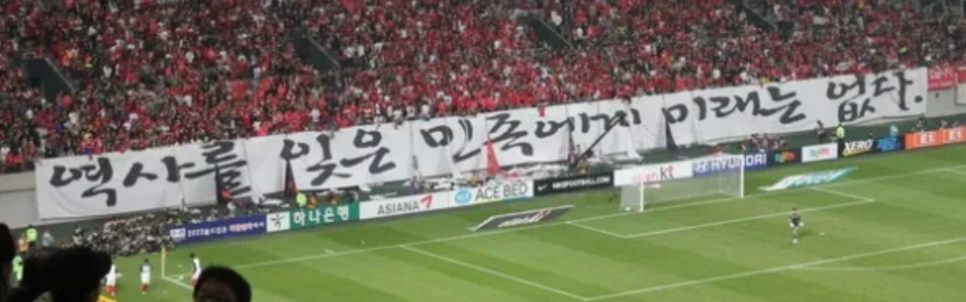
In Korean society, not knowing history is practically equivalent to being branded a heretic whose doctrine and convictions could be challenged by an inquisitor at any moment — so, in order not to become an outsider, one practically has to study Korean history.
What I've just said might sound, to some, like the analysis of a heretic myself.
But having lived my whole life eating the rice grown on this land, I too, emotionally, naturally hold history in a kind of reverence, almost religiously.
What's more, having been born and raised for most of my life in Jeonju — the ancestral hometown of the Joseon royal Yi clan — it's simply impossible for me to set history aside from my own life.
Still, since I have no wish to become a blind fanatic,
holding onto both of these perspectives at once — rational analysis and emotional acceptance —
feels to me like the way to honor the full value of history without forcing it upon everyone else.
댓글 0